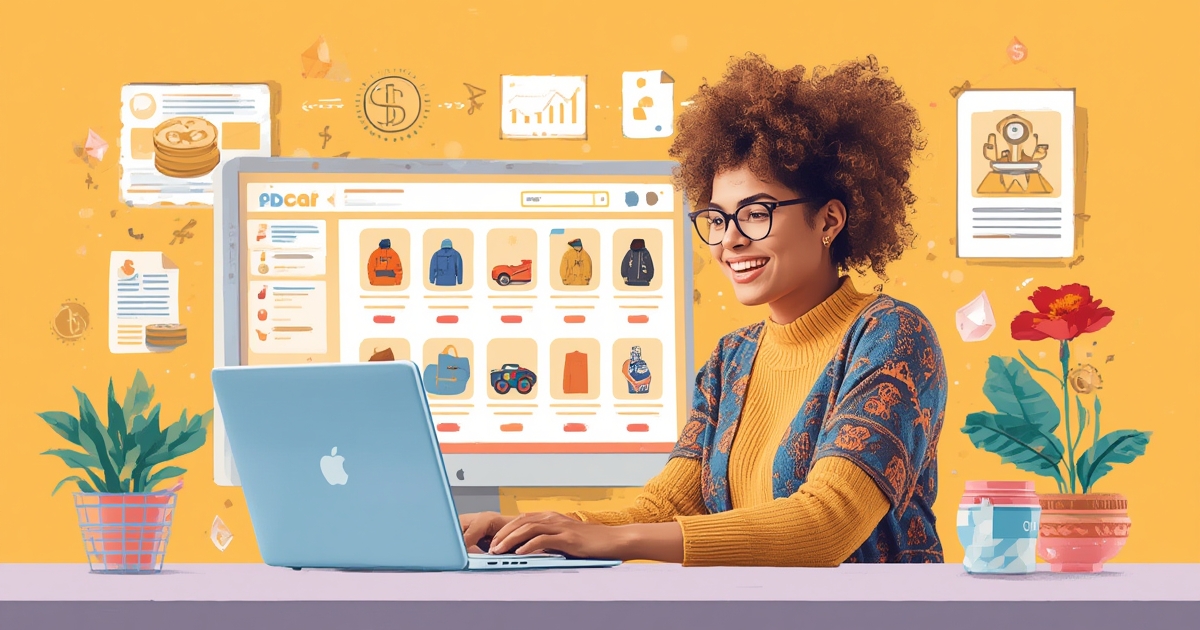
Many bloggers dream of turning their passion into profit, and with the right strategy, that dream is closer than you think. Imagine leveraging your existing audience, trust, and content to create a thriving revenue stream. By 2026, establishing a powerful blog store is not just an aspiration but a tangible goal for content creators looking to diversify and grow. This guide will walk you through the essential steps to transform your blog into a dynamic e-commerce hub, ensuring you capitalize on your unique voice and community.
The Foundation: Why an Online Store is Your Next Big Move
Your blog is more than just a platform for sharing ideas; it’s a powerful marketing engine and a community builder. By integrating an e-commerce component, you’re not just adding a new revenue stream; you’re deepening your connection with your audience and providing them with tangible value. This symbiotic relationship between content and commerce creates a robust ecosystem where your insights drive sales, and your products further engage your readers.
The beauty of having a dedicated store lies in its organic growth potential. Unlike traditional e-commerce sites that struggle to build an audience from scratch, you already have one. Your readers trust your recommendations, value your expertise, and are often eager to support your work. This pre-existing relationship significantly reduces customer acquisition costs and builds brand loyalty from day one. It’s about turning passive readership into active customers who are already invested in what you do.
Furthermore, an online store offers unparalleled flexibility. Whether you sell digital products like e-books, courses, and templates, or physical goods such as merchandise, handcrafted items, or curated collections, the possibilities are vast. This adaptability allows you to pivot and expand your offerings as your audience evolves and new opportunities arise, ensuring long-term relevance and profitability.
Choosing Your Niche and Products Wisely
Before diving into platform specifics, identifying your niche and the products that resonate most with your audience is crucial. The most successful blog stores are those that offer solutions, entertainment, or unique items directly aligned with the blog’s core theme and the audience’s interests. This alignment ensures that your products feel like natural extensions of your content, not mere advertisements.
Start by analyzing your blog’s most popular content. What topics generate the most engagement? What questions do your readers frequently ask? These insights can directly inform your product development. For example, a food blog might sell unique spice blends, recipe e-books, or kitchen gadgets. A personal finance blog could offer budgeting templates, financial planning courses, or personalized consulting.
Consider both digital and physical products. Digital products often have higher profit margins due to no inventory or shipping costs, making them an excellent starting point for many online entrepreneurs. Physical products, while requiring more logistical planning, can offer a more tangible brand experience and open doors to different markets. Don’t be afraid to start small and expand as you learn what works best for your audience.
Understanding Your Online Store’s Product Landscape
- – Digital Products: E-books, online courses, templates (e.g., Notion, Canva), printables, stock photos, software presets, digital art, memberships. These are excellent for knowledge-based blogs.
- – Physical Products: Branded merchandise (t-shirts, mugs), handcrafted goods, curated collections, specialized tools, health and beauty products, food items, educational kits. Ideal for lifestyle, craft, or niche hobby blogs.
- – Services: Consulting, coaching, workshops, custom design work, writing services. Leveraging your expertise directly.
The key is to offer value. Your products should solve a problem, fulfill a need, or enhance your audience’s lives in some meaningful way. Research your competition, but also think innovatively about how you can put your unique spin on existing offerings or create entirely new ones.
Building Your Blog Store: Platforms and Setup
Once you have a clear idea of your products, the next step is to choose the right e-commerce platform to power your blog store. This decision is critical as it impacts ease of use, scalability, features, and overall cost. There’s no one-size-fits-all solution; the best platform for you will depend on your technical comfort, budget, product type, and long-term goals.
Some platforms offer robust, all-in-one solutions, while others specialize in specific types of products or integrations. Consider factors like payment processing, inventory management, shipping options, marketing tools, and customer support. Will the platform integrate seamlessly with your existing blog? Can it handle the projected traffic and sales volume as your online presence grows?
For many bloggers, a platform that prioritizes integration and user-friendliness is paramount. You want to spend more time creating content and engaging with your audience, and less time wrestling with technical configurations. Look for platforms that offer excellent design flexibility, allowing you to maintain your blog’s brand identity throughout the shopping experience.
Comparison of Top E-commerce Platforms for Your Blog Store
| Product | Price | Pros | Cons | Best For |
|---|---|---|---|---|
| Shopify | Starts at $29/month | Extremely robust features, scalable, vast app store, 24/7 support. Easy to set up for beginners. | Transaction fees if not using Shopify Payments, can get expensive with many apps. | Growing businesses, physical and digital products, seeking an all-in-one solution. |
| WooCommerce (WordPress Plugin) | Free (plugin), hosting & other costs vary | Highly customizable, full control over your store, integrates perfectly with WordPress. | Requires more technical expertise, responsible for security and updates, relies on good hosting. | WordPress users who want maximum control, digital product sellers, those comfortable with self-hosting. |
| Easy Digital Downloads (WordPress Plugin) | Free (plugin), premium extensions vary | Specifically designed for digital products, simple interface, robust features for selling files. | Limited functionality for physical products, some advanced features require paid extensions. | Bloggers primarily selling e-books, courses, software, or other digital goods on WordPress. |
| Etsy (Marketplace) | Listing fee + transaction fees | Massive existing audience, easy to set up, built-in trust and marketing for handmade/vintage. | Less control over branding, higher transaction fees, more competition. | Crafters, artists, vintage sellers, those testing the waters with physical products. |
| Gumroad | Free to start, 10% transaction fee | Extremely simple setup for digital products, audience-building tools, flexible pricing. | Less customization than dedicated platforms, higher transaction fees for lower-tier accounts. | Creators starting with digital products (e-books, courses), quick launches, minimal setup. |
Once you’ve selected your platform, the setup process involves connecting your payment gateway (e.g., PayPal, Stripe), setting up shipping options if selling physical goods, configuring product pages with compelling descriptions and high-quality images, and integrating it seamlessly with your existing blog design. Prioritize a clean, intuitive user experience for your customers.
Driving Traffic to Your Online Store: Content, SEO, and Marketing
Building your e-commerce presence is just the first step; getting people to find it and buy from it is the next big challenge. Fortunately, your blog is already a powerful asset for driving organic traffic. The content you create acts as a magnet, attracting potential customers interested in your niche. Leveraging SEO (Search Engine Optimization) for both your blog posts and product pages is paramount.
Start by optimizing your product pages with relevant keywords, clear descriptions, and compelling calls to action. Think about what your customers would search for when looking for your products. Use high-quality images and videos that showcase your offerings effectively. Remember, every product page is also a landing page, so make it informative and persuasive.
Beyond product pages, your regular blog content can be a powerful driver of sales. Create posts that naturally weave in your products as solutions to common problems or as recommended tools. For instance, a tutorial post could feature a tool you sell, or a recipe post could link to a unique ingredient from your store. This subtle, value-driven approach is far more effective than overt sales pitches.
Social media marketing plays a crucial role too. Share your blog posts and new product launches across your platforms. Use visually appealing content and engage with your followers. Consider running targeted ads on platforms where your audience spends the most time. Email marketing is another invaluable tool; build an email list and send out newsletters with new blog content, product announcements, and exclusive discounts for your online store.
Key Strategies for Driving Online Store Sales
- – Content Marketing: Create valuable blog posts that indirectly or directly promote your products as solutions.
- – SEO for Products: Optimize product titles, descriptions, and images with relevant keywords to rank higher in search engines.
- – Social Media Promotion: Share product links, lifestyle shots, and behind-the-scenes content on platforms like Instagram, Pinterest, and Facebook.
- – Email Marketing: Build an email list and send regular newsletters featuring new products, sales, and exclusive content.
- – Influencer Collaborations: Partner with other bloggers or influencers in your niche to reach a wider audience.
- – Paid Advertising: Consider targeted ads on Google or social media to reach specific demographics.
- – User-Generated Content: Encourage customers to share photos or reviews of your products, creating social proof.
Remember, consistency is key. Continuously create high-quality content, engage with your audience, and adapt your marketing strategies based on analytics. Your blog store will flourish when it’s nurtured with both great products and smart promotion.
Optimizing for Sales and Customer Experience
Getting traffic to your online shop is one thing; converting those visitors into paying customers is another. Optimization is an ongoing process that involves refining your store’s design, streamlining the checkout experience, and providing exceptional customer service. A smooth and trustworthy shopping journey is paramount to turning first-time buyers into loyal patrons.
Start by auditing your website’s speed and mobile responsiveness. A slow-loading site or one that’s difficult to navigate on a phone will quickly deter potential customers. Ensure your product images are high-resolution and your descriptions are clear, concise, and persuasive. Utilize customer reviews and testimonials to build trust and social proof, as these can significantly influence purchasing decisions.
The checkout process should be as simple and quick as possible. Minimize the number of steps required, offer multiple trusted payment options, and ensure all costs, including shipping and taxes, are transparent upfront. Abandoned carts are a common issue, so consider implementing email reminders for customers who leave items behind.
Exceptional customer service is a non-negotiable for a successful blog store. Be responsive to inquiries, provide clear return policies, and go the extra mile to resolve any issues. Happy customers are not only repeat buyers but also powerful advocates for your brand, spreading positive word-of-mouth. Consider offering a live chat option or a comprehensive FAQ section to address common questions proactively.
Finally, analyze your store’s performance regularly. Use analytics tools to track conversion rates, average order value, popular products, and customer behavior. This data will provide invaluable insights into what’s working and where improvements are needed, allowing you to continually refine your strategy and boost your blog store’s profitability.
Scaling Your Blog Store for Long-Term Profitability
Once your blog store is successfully launched and generating consistent sales, the next horizon is scaling for long-term profitability. Scaling doesn’t just mean selling more; it means optimizing your operations, expanding your offerings strategically, and leveraging automation to free up your time for growth-focused activities. The goal is to build a sustainable business that continues to thrive for years to come.
Consider expanding your product line based on customer feedback and market trends. Are there complementary products your audience would love? Can you introduce premium versions of your existing offerings? Diversifying your product portfolio can capture a wider segment of your audience and increase average order value.
Automation is your friend when scaling your e-commerce venture. Automate order fulfillment, email marketing sequences (e.g., welcome emails, abandoned cart reminders), and even customer support responses for common queries. Tools and integrations available on most e-commerce platforms can help streamline these processes, allowing you to focus on strategy and content creation rather than manual tasks.
Explore partnerships and collaborations. Teaming up with other bloggers, influencers, or complementary businesses can expose your blog store to new audiences and create exciting cross-promotional opportunities. This can be a highly cost-effective way to expand your reach without significant ad spend.
Finally, stay ahead of trends. The e-commerce landscape is constantly evolving, with new technologies and consumer behaviors emerging regularly. Keep an eye on innovations like AI-powered personalization, sustainable packaging, and new social commerce features. Adapting to these changes will ensure your blog store remains competitive and relevant in the long run, securing its profitability well beyond 2026.
Beyond just products, consider how you can deepen the customer relationship. Loyalty programs, exclusive content for purchasers, or community forums can foster a sense of belonging and encourage repeat business. A loyal customer base is the bedrock of any profitable online store.
Your journey to launching a profitable online store by 2026 starts now. By combining your passion for content creation with a strategic approach to e-commerce, you can unlock a powerful new chapter for your blog. From selecting the right products and platforms to mastering marketing and customer experience, every step is an opportunity to build a thriving business. Embrace the process, learn from your analytics, and continuously adapt. Your audience is waiting to support you, and with dedication, your blog store can become a significant source of income and impact. Start planning today, and watch your vision come to life!
Frequently Asked Questions
How long does it typically take to launch an online store?
The timeline can vary widely depending on your preparation and the complexity of your products. A simple digital product store on a platform like Gumroad or Easy Digital Downloads might be set up in a few days to a week. A more complex e-commerce presence with many physical products and custom integrations on Shopify or WooCommerce could take several weeks to a few months.
What are the biggest challenges when starting a blog store?
Common challenges include choosing the right products, driving consistent traffic, managing inventory (for physical goods), providing excellent customer service, and overcoming technical hurdles. However, with careful planning and continuous learning, these challenges are manageable.
Do I need a large audience to start a profitable online store?
While a larger audience helps, it’s not strictly necessary. A highly engaged, niche audience of any size can be very profitable. Focus on providing immense value to your existing readers, and they will be your first and most loyal customers. Growth will follow organically.
How can I make my blog store stand out from the competition?
Differentiate your blog store by offering unique products, providing exceptional customer service, showcasing your authentic brand voice, and creating compelling content that ties directly into your offerings. Your unique perspective and connection with your audience are powerful differentiators.
What’s the best way to handle shipping for physical products?
Research various shipping carriers and compare their rates and services. Consider using dropshipping providers if you want to avoid inventory management. Many e-commerce platforms offer integrated shipping tools that can help automate label printing and tracking.