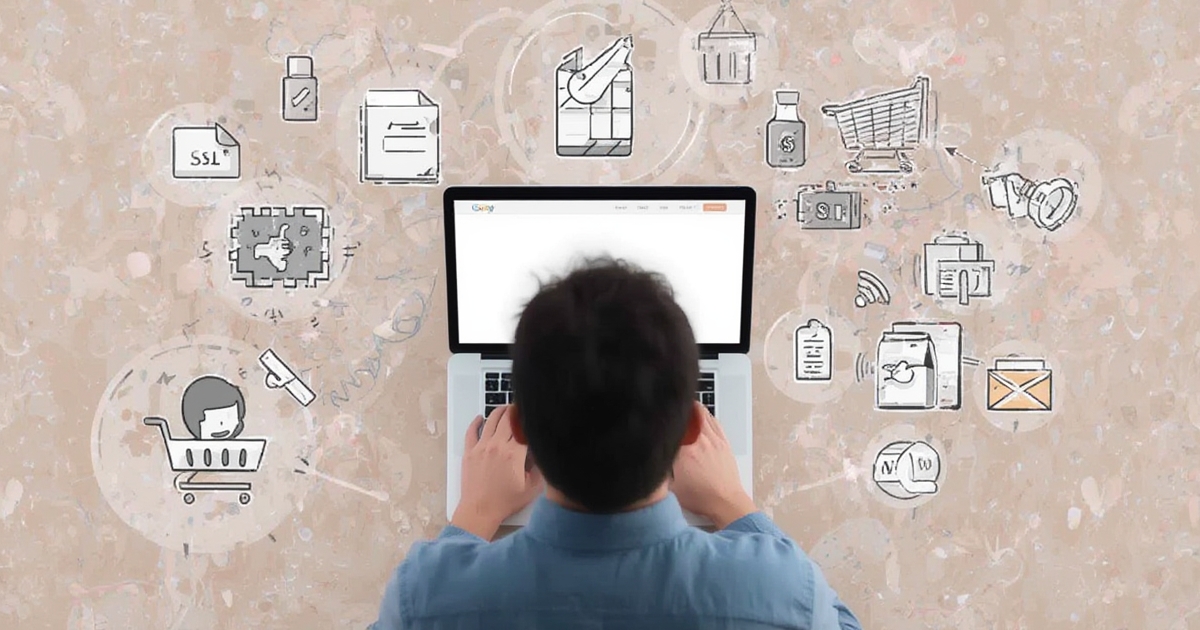
Meta Description: Transform your blog into a profitable online store by 2026. Discover expert strategies, platform comparisons, and AI tools for e-commerce success.
Are you a passionate blogger wondering how to monetize your content more effectively? The digital landscape of 2026 presents an unparalleled opportunity to evolve your beloved blog into a thriving online store. This isn’t just about selling a few products; it’s about building a robust e-commerce ecosystem that leverages your existing audience and content authority. Imagine turning your engaged readers into loyal customers, expanding your reach, and creating a sustainable revenue stream. Establishing an online store based on your blog’s foundation is a strategic move that can dramatically elevate your brand and financial independence.
Laying the Foundation: From Content Hub to Commerce Platform
The journey from a successful blog to a dynamic online store begins with strategic planning and a clear understanding of your audience. Your blog has already cultivated trust and established you as an authority in your niche. This pre-existing relationship is an invaluable asset that gives you a significant head start compared to a brand-new e-commerce venture. The key is to identify what products or services naturally align with your content and resonate with your readership.
Think about the problems your audience frequently asks you to solve, the topics they engage with most, or the tools and resources you often recommend. These insights are goldmines for product ideas. Perhaps you review tech gadgets; then selling curated accessories makes sense. If you blog about sustainable living, eco-friendly products are a natural fit. The transition should feel organic to your audience, providing them with solutions or enhancements directly related to the value they already receive from your content.
Why Transition Now? The 2026 E-commerce Landscape
The year 2026 is ripe for this evolution, with e-commerce continuing its exponential growth trajectory. Consumer confidence in online purchasing is at an all-time high, and technological advancements make setting up and managing an online store more accessible than ever before. AI-powered tools, advanced analytics, and seamless integration options are democratizing the e-commerce space, allowing even individual bloggers to compete effectively. By transitioning now, you position your brand to capitalize on these trends and secure a significant market share within your niche.
Choosing the Right Platform for Your Online Store
Selecting the appropriate e-commerce platform is one of the most critical decisions you’ll make when building your online store. The right platform will provide the tools, flexibility, and scalability you need to manage products, process payments, and connect with customers. The wrong choice can lead to frustrations, limitations, and wasted resources. Consider factors like ease of use, cost, scalability, integration capabilities (especially with your existing blog), and customer support when making your decision.
Some platforms are designed for beginners, offering intuitive drag-and-drop builders, while others cater to more experienced users seeking extensive customization. Your technical comfort level and the specific features you require will heavily influence this choice. It’s also vital to think about the future: will the platform be able to handle increased traffic and a broader product catalog as your online store grows?
E-commerce Platforms Comparison
Here’s a comparison of some leading platforms ideal for bloggers transitioning to an online store:
| Product | Price | Pros | Cons | Best For |
|---|---|---|---|---|
| Shopify | Starts at $29/month | Extremely user-friendly, vast app store, excellent support, scalable for growth. | Transaction fees unless using Shopify Payments, can get expensive with many apps. | Beginners and growing businesses needing an all-in-one solution. |
| WooCommerce | Free (plugin), hosting extra | Open-source flexibility, highly customizable, integrates seamlessly with WordPress. | Requires more technical knowledge, hosting and security are your responsibility. | WordPress users who want full control and customization. |
| BigCommerce | Starts at $29.95/month | Powerful SEO tools, no transaction fees, strong B2B features, multi-channel selling. | Can be less intuitive for absolute beginners, pricing tiers based on sales volume. | Mid-to-large businesses and those with diverse product catalogs. |
Each platform has its strengths, and the best choice ultimately depends on your specific needs, budget, and long-term vision for your online store. While Shopify offers unparalleled ease of use for new merchants, WooCommerce provides deep integration and control for existing WordPress blogs. BigCommerce stands out for its robust feature set suitable for scaling operations.
Crafting Compelling Products and Offers
Once you’ve chosen your platform, the next step is to define and develop the products or services that will populate your online store. This stage moves beyond simply identifying a niche; it’s about creating tangible value that your audience will enthusiastically purchase. Your blog content can serve as a testing ground for ideas, giving you direct feedback on what resonates most.
Identifying Your Niche and Product-Market Fit
Your blog has already carved out a niche for you. The products you offer should align perfectly with this niche and solve a problem or fulfill a desire for your audience. Conduct surveys, analyze your blog’s most popular content, and pay attention to comments and emails to pinpoint exactly what your readers are looking for. Is it an in-depth e-book that expands on a popular blog series? A curated box of tools you frequently recommend? Or perhaps online courses that teach a skill you’ve mastered? The goal is to achieve product-market fit, where your offerings perfectly meet the demands of your target market.
Product Sourcing and Creation
For physical products, you’ll need to consider sourcing. Options include dropshipping, creating your own handmade goods, white-labeling existing products, or partnering with manufacturers. Each has its pros and cons in terms of upfront cost, inventory management, and profit margins. Digital products, such as e-books, online courses, templates, or software, often have higher profit margins and lower overheads, making them an attractive starting point for many bloggers. They leverage your intellectual property and expertise directly.
Pricing Strategies for Your Online Store
Determining the right price for your products is a delicate balance. You need to cover your costs, generate a profit, and offer perceived value to your customers. Research competitor pricing, understand your target audience’s budget, and consider different pricing models like introductory offers, bundles, or tiered pricing. Don’t be afraid to experiment and gather feedback. The perceived value of your product, often amplified by your blog’s authority, can allow for premium pricing, especially for unique or expertly curated items.
Driving Traffic and Conversions to Your Online Store
Building an impressive online store is only half the battle; getting eyes on your products and converting visitors into paying customers is where the real work begins. Your existing blog traffic is a fantastic starting point, but you’ll need to expand your reach and implement dedicated marketing strategies to maximize your e-commerce success. This involves a multi-channel approach, leveraging both organic and paid methods.
SEO Best Practices for E-commerce
Search Engine Optimization (SEO) for an online store differs slightly from blog SEO. While content remains king, product pages need specific optimization. This includes using descriptive product titles, writing detailed and keyword-rich product descriptions, optimizing images with alt text, and ensuring fast loading speeds. Structure your website with clear categories and internal linking. Regular blog posts supporting your products, using long-tail keywords relevant to buying intent, will also drive qualified traffic to your online store.
Leveraging Social Media for Sales
Social media is no longer just for brand awareness; it’s a powerful sales channel. Platforms like Instagram, Facebook, and Pinterest offer robust e-commerce features, including shoppable posts, product catalogs, and direct integrations with your online store. Create engaging visual content, run targeted ads, and actively interact with your audience. User-generated content, reviews, and influencer collaborations can significantly boost trust and drive sales.
Email Marketing Automation
Email marketing remains one of the most effective channels for e-commerce. Build an email list from your blog and segment it based on interests. Automate email sequences for abandoned carts, welcome series for new subscribers, product launch announcements, and special promotions. Personalize emails based on past purchases or browsing history to increase relevance and conversion rates. A well-executed email strategy can turn casual visitors into repeat customers for your online store.
The Future is Now: AI and Personalization in Your Online Store
The year 2026 is defined by advanced technology, and Artificial Intelligence (AI) is at the forefront of revolutionizing the online shopping experience. Integrating AI into your online store isn’t just a luxury; it’s becoming a necessity for delivering hyper-personalized experiences that customers expect. From product recommendations to customer support, AI can enhance efficiency, improve customer satisfaction, and ultimately boost your bottom line.
AI-Powered Recommendations
AI algorithms can analyze customer browsing history, purchase patterns, and even real-time behavior to suggest highly relevant products. This “customers who bought this also bought…” feature, or “personalized picks for you,” significantly increases average order value and customer satisfaction. Implement AI-driven recommendation engines to guide your customers towards items they are most likely to love, making their shopping journey smoother and more enjoyable. This level of personalization makes your online store feel intuitive and responsive to individual needs.
Automated Customer Support and Chatbots
Providing excellent customer service is crucial for an online store, but it can be time-consuming. AI-powered chatbots can handle a significant portion of routine inquiries 24/7, such as tracking orders, answering FAQs, or guiding customers through the purchase process. This frees up your human support staff to address more complex issues, leading to faster response times and happier customers. Chatbots can also collect valuable data on common customer pain points, helping you improve your products and services.
The transition from a content-rich blog to a revenue-generating online store is an exciting and strategic move for 2026. By carefully planning your product offerings, choosing the right e-commerce platform, and implementing smart marketing and AI technologies, you can transform your influence into a thriving business. Your existing audience is your greatest asset, providing a foundation of trust and engagement that few new businesses can boast. Embrace the future of e-commerce, and watch your brand grow exponentially.
Frequently Asked Questions (FAQ)
How much does it cost to start an online store?
The cost varies widely depending on your chosen platform, product type (physical vs. digital), and marketing efforts. You can start with a WooCommerce store on existing WordPress hosting for minimal cost, or invest in a Shopify plan starting at $29/month plus app costs. Inventory, shipping, and marketing will add to the initial investment.
Do I need a new website for my online store, or can I integrate it with my blog?
Many platforms allow for seamless integration. WooCommerce is a WordPress plugin, making it ideal for existing WordPress blogs. Shopify and BigCommerce can be linked to your blog, often using subdomains or specific integrations, allowing your blog and online store to coexist and benefit from each other’s traffic.
What are the legal requirements for running an online store?
You’ll need to consider business registration, obtaining necessary licenses, understanding sales tax obligations in your region and where you sell, and having clear privacy policies, terms of service, and refund policies on your website. Consulting with a legal professional is always recommended.
How do I handle shipping and inventory for physical products?
For physical products, you’ll need a system for inventory management (tracking stock levels) and shipping. Options include dropshipping (where a third party handles inventory and shipping), fulfilling orders yourself, or using a third-party logistics (3PL) service. Your choice will depend on your product volume and budget.
How can I market my online store effectively without a huge budget?
Leverage your existing blog audience, utilize social media organically, focus on SEO to attract free search traffic, start an email list, and consider low-cost paid advertising options with highly targeted audiences. Partnerships with complementary blogs or influencers can also be effective without significant upfront costs.
References and Further Reading
- Link to Shopify’s E-commerce Guides
- Link to WooCommerce Documentation
- Link to BigCommerce E-commerce University
- Link to articles on AI in E-commerce
- Link to a guide on email marketing best practices