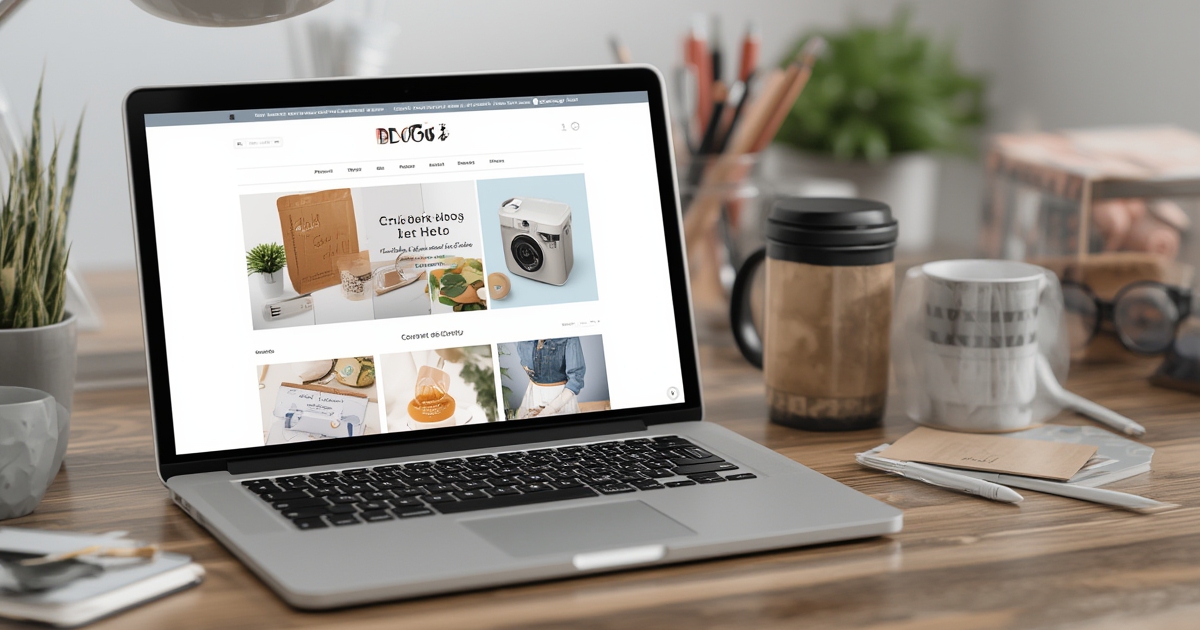
Meta Description: Transform your blog into a profitable online store. Learn how to build a successful blog shop, choose platforms, find products, and drive sales.
Your blog is more than just a platform for sharing thoughts and insights; it’s a powerful asset waiting to be monetized. Imagine turning your engaged readership into loyal customers, all within the familiar environment of your own website. Building a successful blog shop isn’t just a dream—it’s an achievable reality that can significantly boost your income and expand your brand’s reach. By integrating an online store directly into your blog, you create a seamless purchasing experience that leverages the trust and authority you’ve already established with your audience. This strategic move allows you to offer products or services directly related to your content, providing immense value to your readers while generating revenue.
The journey from passionate blogger to successful e-commerce entrepreneur might seem daunting, but with the right guidance, it’s entirely within reach. This comprehensive guide will walk you through every essential step, from choosing the perfect platform to identifying lucrative products and implementing effective marketing strategies. Get ready to unlock your blog’s full earning potential and transform it into a thriving online business.
From Passion Project to Profit Hub: The Power of Your Blog Shop
Many bloggers start out sharing their passions, expertise, or personal stories, never fully realizing the immense commercial potential lying dormant within their content. Your audience trusts your recommendations, values your insights, and often looks to you for solutions related to your niche. This inherent trust is the most valuable currency you possess when contemplating a blog shop.
Establishing an online store directly on your blog offers several distinct advantages over a standalone e-commerce site. Firstly, you already have an audience. You don’t need to build traffic from scratch, as your existing readers are a prime target for your products. This significantly reduces initial marketing efforts and costs.
Secondly, integration creates a cohesive brand experience. When readers can seamlessly move from absorbing your content to purchasing a product you’ve recommended or created, the entire experience feels more authentic and trustworthy. This consistency reinforces your brand identity and makes the buying process feel like a natural extension of their engagement with your blog.
Thirdly, a blog shop provides diversified income streams. Relying solely on ad revenue or affiliate links can be unpredictable. Selling your own products or services gives you greater control over your earnings and allows for higher profit margins. It’s a direct route to financial independence and can help stabilize your income.
Finally, your content acts as an incredibly powerful marketing tool. Every blog post, tutorial, or review you publish can subtly, or explicitly, guide readers toward your offerings. This content-driven commerce model is highly effective because it educates and persuades potential customers before they even reach the product page, making the sale feel less like a transaction and more like a helpful solution.
Why Your Audience is Ready for Your Products
Understanding your audience is key to a successful blog shop. Your readers are likely interested in specific topics, have particular problems they want to solve, or seek products that align with their lifestyle and values. By analyzing your most popular posts, comment sections, and social media engagement, you can gain invaluable insights into what your audience genuinely desires.
Think about the questions your readers frequently ask, the challenges they face, or the tools they often inquire about. These insights can directly inform your product development or curation strategy. For example, a food blogger’s audience might be eager for a digital cookbook, while a fitness blogger’s followers might be interested in custom workout plans or branded apparel. Tapping into these existing needs ensures your products resonate deeply.
Choosing the Right Platform for Your Online Store
Selecting the ideal e-commerce platform is one of the most critical decisions you’ll make when building your blog shop. The right platform will provide the functionality you need, scale with your business, and integrate smoothly with your existing blog setup. There’s no one-size-fits-all solution, as different platforms cater to varying technical skill levels, budget considerations, and feature requirements.
Consider factors such as ease of use, design flexibility, scalability, payment processing options, shipping capabilities, and most importantly, how well it integrates with your current blogging platform. Some solutions offer built-in e-commerce features, while others require plugins or external integrations. Weighing these aspects carefully will help you make an informed choice that supports your long-term vision.
Comparison of Top E-commerce Platforms for Your Blog Shop
| Product | Price | Pros | Cons | Best For |
|---|---|---|---|---|
| Shopify | Starts at $29/month | Extremely user-friendly, extensive app store, excellent support, robust features for scalability. | Transaction fees if not using Shopify Payments, can get expensive with many apps. | Beginners and growing businesses seeking an all-in-one hosted solution. |
| WooCommerce (WordPress Plugin) | Free (plugin), hosting & other costs apply | Full control over your store, highly customizable, integrates natively with WordPress. | Requires more technical setup and maintenance, reliance on third-party plugins for advanced features. | WordPress users who want maximum control and flexibility, comfortable with self-hosting. |
| BigCommerce | Starts at $29.95/month | Scalable features for larger businesses, no transaction fees, strong SEO tools, multi-channel selling. | Steeper learning curve than Shopify, limited theme customization without coding. | Established businesses or those planning rapid expansion, comfortable with more complex platforms. |
| Squarespace E-commerce | Starts at $27/month (business plan) | Beautiful templates, all-in-one solution (website + store), easy to use for design-focused brands. | Less e-commerce specific features than dedicated platforms, limited app ecosystem. | Creatives and small businesses prioritizing stunning design and simplicity. |
Integrating Your Store with Your Blog
Once you’ve chosen a platform, the next step is seamless integration. If you’re on WordPress, WooCommerce is often the most straightforward choice as it’s a plugin designed specifically for the platform. For other platforms like Shopify or BigCommerce, you can integrate them by adding “buy buttons,” embedding product widgets, or linking directly to your store pages.
Many modern platforms also offer “headless commerce” solutions, allowing you to use your blog as the frontend and your chosen e-commerce platform as the backend. This provides maximum flexibility for design and user experience, although it typically requires more technical expertise. The goal is always to make the transition from content consumption to product discovery effortless for your readers.
What to Sell: Products and Services That Thrive
Deciding what to sell in your blog shop is an exciting but crucial step. The best products or services are those that directly align with your blog’s niche and genuinely solve a problem or fulfill a desire for your audience. Authenticity and relevance are key to success.
Start by brainstorming ideas that naturally flow from your content. If you’re a productivity blogger, digital planners or time management courses might be ideal. A fashion blogger could curate a collection of sustainable clothing or offer personal styling services. The more closely your offerings relate to your blog’s core theme, the more likely your audience is to convert.
Digital Products: High Margin, Low Overhead
Digital products are often an excellent starting point for a blog shop due to their high-profit margins and minimal overhead. Once created, they can be sold repeatedly without additional inventory costs. Examples include:
– Ebooks and Guides: Share your in-depth knowledge on a specific topic.
– Online Courses: Teach your audience a skill or process step-by-step.
– Templates: Offer customizable designs for documents, social media, or websites.
– Presets and Filters: For photographers and content creators.
– Worksheets and Printables: Practical tools for organization, planning, or learning.
The beauty of digital products is their instant delivery and global reach. You can create them using tools you already have, like word processors or graphic design software, and market them directly through your content. They establish you as an authority and provide tangible value to your audience.
Physical Products: Tangible Value, Deeper Connection
While physical products come with inventory, shipping, and logistics challenges, they can also forge a deeper connection with your audience through tangible items. Consider:
– Branded Merchandise: Mugs, t-shirts, tote bags featuring your blog’s logo or catchy phrases.
– Curated Collections: Handpicked items related to your niche (e.g., eco-friendly home goods for a sustainability blog).
– Handcrafted Goods: If you have a skill like knitting, jewelry making, or artisanal crafts.
– Books: Your own published works, whether self-published or traditionally.
– Subscription Boxes: Curated monthly deliveries of niche-specific items.
When selling physical products, think about dropshipping or print-on-demand services if you want to minimize upfront inventory costs. These models allow you to offer products without holding stock yourself, as a third party handles manufacturing and fulfillment.
Services: Leveraging Your Expertise Directly
Your blog already showcases your expertise, making services a natural fit for monetization. This could include:
– Coaching and Consulting: One-on-one sessions offering personalized advice.
– Workshops and Webinars: Group sessions teaching specific skills.
– Freelance Services: Writing, design, photography, or technical support related to your niche.
– Audits and Reviews: Providing professional assessments of websites, content, or strategies.
Services allow you to command higher prices based on your specialized knowledge and time. They also provide direct interaction with your audience, strengthening relationships and gathering feedback that can further inform your content and future product offerings.
Setting Up Your Blog Shop: A Step-by-Step Guide
Once you’ve decided on your platform and products, it’s time to get your blog shop up and running. This involves several practical steps, from configuring your store to listing your first products.
1. Design Your Storefront
Your store’s design should be an extension of your blog’s aesthetic. Use consistent branding, colors, and fonts to create a seamless user experience. Ensure your product pages are clean, easy to navigate, and mobile-responsive. High-quality product images and compelling descriptions are paramount.
2. Add Your Products
Carefully craft product listings with clear titles, detailed descriptions, and attractive visuals. For physical products, include variations (sizes, colors) and accurate pricing. For digital products, explain what’s included and how customers will receive them. Don’t forget to set inventory levels if applicable.
3. Configure Payment Gateways
Integrate secure payment options like PayPal, Stripe, or your platform’s native payment solution (e.g., Shopify Payments). Offer multiple payment methods to cater to different customer preferences. Ensure your checkout process is smooth and trustworthy to minimize cart abandonment.
4. Set Up Shipping and Fulfillment (for Physical Products)
Define your shipping zones, rates, and carriers. Decide whether you’ll offer free shipping, flat rates, or calculated rates. Clearly communicate delivery times and return policies. If using dropshipping or print-on-demand, connect these services to your store for automated fulfillment.
5. Establish Policies and Legal Pages
It’s crucial to have clear policies in place. Create pages for your:
– Privacy Policy: How you collect and use customer data.
– Terms of Service: The rules for using your store and buying your products.
– Refund Policy: Your guidelines for returns and exchanges.
– Shipping Policy: Detailed information on delivery.
These pages build trust and are often legally required.
6. Test Your Blog Shop Thoroughly
Before launching, run through the entire customer journey yourself. Place test orders, check payment processing, confirm order confirmations, and verify product delivery (especially for digital items). Ensure all links work, images load, and the site is bug-free. A smooth experience is vital for customer satisfaction.
Driving Traffic and Sales to Your New Venture
Launching your blog shop is just the beginning; the real work lies in attracting customers and generating sales. Fortunately, your blog provides a powerful foundation for marketing your products and services.
Leverage Your Existing Blog Content
Your blog posts are your most potent marketing tool. Naturally integrate product mentions and links within relevant articles. For example, if you have a popular post about productivity tips, link to your digital planner or course. Create dedicated product review posts or tutorials demonstrating how to use your offerings. Your content not only drives traffic but also pre-sells your products by showcasing their value.
Master Search Engine Optimization (SEO)
Optimize your product pages and blog posts with relevant keywords to improve visibility on search engines. Research what terms your audience uses to find products like yours. Use these keywords in product titles, descriptions, image alt text, and throughout your blog content. A well-optimized blog shop will attract organic traffic looking for exactly what you offer.
Social Media Promotion
Share your products across your social media channels. Create engaging posts with high-quality images or videos. Run contests or giveaways to generate excitement. Use platform-specific features like Instagram Shopping or Pinterest Product Pins to make your products easily discoverable and shoppable directly from social media. Engage with your audience and respond to questions promptly.
Email Marketing Campaigns
Build an email list and use it to announce new products, promotions, and exclusive offers. Segment your audience to send targeted campaigns based on their interests or past purchases. Email remains one of the most effective marketing channels, offering a direct line of communication with your most engaged followers. Offer incentives like discounts for signing up.
Collaborations and Partnerships
Partner with other bloggers, influencers, or complementary businesses in your niche. Cross-promotion can expose your blog shop to new audiences and bring in valuable traffic. Consider guest posting on other blogs or participating in joint webinars or product bundles. These collaborations can significantly amplify your reach.
Scaling Your Blog Shop for Long-Term Success
Once your blog shop is generating consistent sales, the focus shifts to scaling and long-term growth. This involves continuous optimization, expanding your offerings, and building a loyal customer base.
Analyze Data and Optimize
Regularly review your sales data, website analytics, and customer feedback. Identify which products are selling well, where customers are dropping off in the buying process, and what marketing channels are most effective. Use this data to refine your strategies, optimize product pages, adjust pricing, and improve your overall customer experience. A/B testing different elements can lead to significant improvements.
Expand Your Product Line Strategically
Don’t stop at your initial offerings. As your audience grows and evolves, so should your product line. Introduce new products or services based on market trends, customer requests, and gaps in your current offerings. Always ensure new additions align with your brand and continue to provide value to your target audience. Consider creating product bundles or upsells to increase average order value.
Cultivate Customer Loyalty and Community
Happy customers are your best advocates. Provide excellent customer service, respond to inquiries promptly, and go above beyond to resolve issues. Implement loyalty programs, offer exclusive discounts to returning customers, and encourage user-generated content like reviews and testimonials. Building a strong community around your blog shop fosters trust and repeat business.
Automate and Delegate
As your business grows, look for opportunities to automate repetitive tasks, such as email marketing sequences, order fulfillment processes, or customer service responses. When your workload becomes overwhelming, consider delegating tasks to virtual assistants or specialized service providers. This frees up your time to focus on strategic growth initiatives and creative product development.
Turning your blog into a profitable online store is an incredibly rewarding endeavor that combines your passion for content creation with the tangible benefits of e-commerce. By carefully planning your platform, choosing the right products, and implementing effective marketing strategies, you can transform your blog into a thriving income-generating machine. Remember, consistency, authenticity, and a commitment to providing value to your audience are the cornerstones of a successful blog shop. Embrace the journey and watch your digital dreams become a lucrative reality.
Frequently Asked Questions (FAQ)
How much does it cost to set up a blog shop?
The cost varies significantly depending on the platform and your chosen features. Basic options like WooCommerce on self-hosted WordPress can start with just hosting fees ($5-15/month) plus plugin costs, while hosted solutions like Shopify begin at around $29/month, potentially increasing with apps and transaction fees. Factor in domain name registration, potential theme purchases, and marketing expenses.
Can I sell both physical and digital products in my blog shop?
Absolutely! Most modern e-commerce platforms and plugins are designed to handle both physical and digital products seamlessly. You can set up different product types with specific fulfillment and shipping rules. Offering both diversifies your income and caters to a broader range of customer preferences.
How long does it take to see sales after launching a blog shop?
There’s no definitive timeline, as it depends on factors like your existing audience size, marketing efforts, product appeal, and niche competitiveness. Some bloggers see sales within days of launching, while others might take weeks or months. Consistent promotion and optimization are key to accelerating sales. Focus on building trust and offering genuine value.
What are the legal considerations for running an online store?
Legal considerations include having clear privacy policies, terms of service, and refund policies. You may also need to consider business registration, sales tax collection, and intellectual property rights depending on your location and what you sell. It’s always advisable to consult with a legal professional to ensure full compliance.