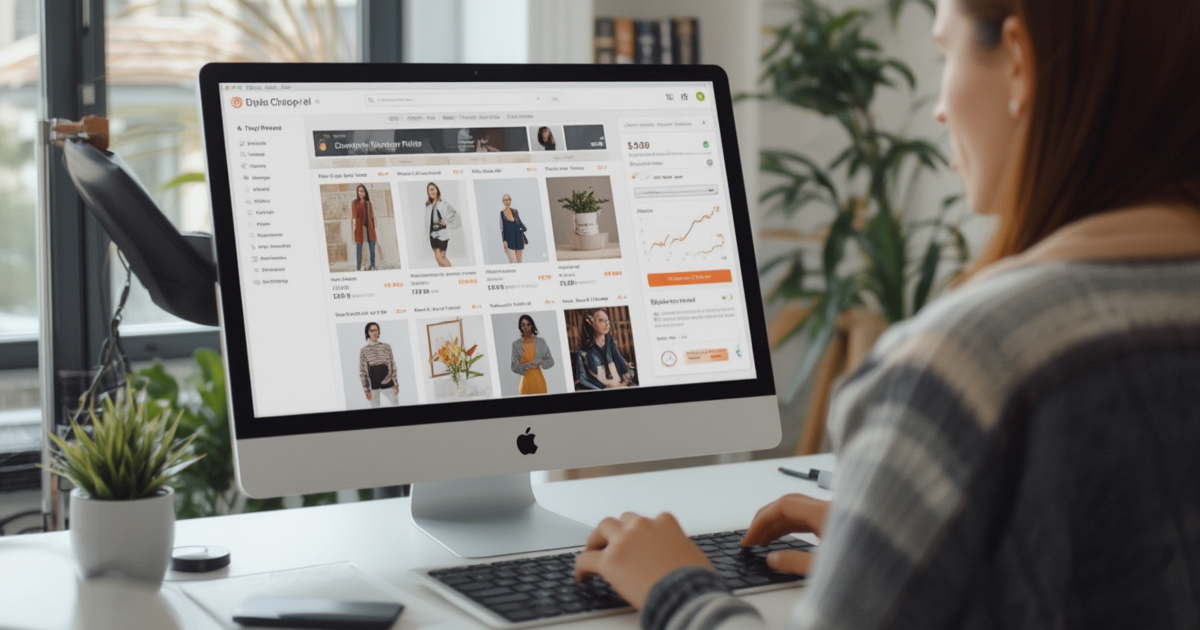
Meta Description: Transform your blog into a profitable online store by 2026. This guide offers actionable strategies, from choosing platforms to marketing, for building your e-commerce empire.
The Vision: Why Now is the Time to Monetize Your Blog
Many passionate bloggers dream of transforming their content into a tangible business, and the opportunity has never been riper. With the digital landscape continuously evolving, launching an online store presents an unparalleled chance to convert your engaged audience into loyal customers. Imagine turning your expertise, your passion, or your unique perspective into products or services that directly benefit your community.
Building an online store by 2026 isn’t just a trend; it’s a strategic move for long-term growth and financial independence. Your blog already serves as a powerful platform, a trusted voice, and a content hub. By integrating an e-commerce component, you’re not starting from scratch; you’re leveraging an existing foundation to create a sustainable revenue stream. This approach allows you to diversify your income beyond advertising or affiliate links, giving you more control over your financial future and deeper engagement with your readership.
Choosing Your E-commerce Platform: Building Your Online Store Foundation
Selecting the right e-commerce platform is perhaps the most critical decision when you decide to launch an online store. This choice will impact everything from ease of setup and daily management to scalability and cost. Different platforms cater to varying needs, whether you’re selling digital downloads, physical goods, or offering subscription services. It’s essential to evaluate each option based on your technical comfort, budget, desired features, and future growth aspirations for your online store.
Consider factors like hosting, payment processing, shipping integrations, and customer support. Some platforms are all-in-one solutions, while others offer more flexibility through plugins and extensions. Think about your existing blog’s platform too; sometimes, integrating with a specific e-commerce solution is more seamless than others. The goal is to find a system that makes managing your online store efficient, allowing you to focus more on product development and marketing.
Comparison of Top E-commerce Platforms for Your Online Store
| Product | Price | Pros | Cons | Best For |
|---|---|---|---|---|
| Shopify | Starts at $29/month | User-friendly, extensive app store, excellent support, scalable for growth. | Transaction fees if not using Shopify Payments, can get expensive with many apps. | Beginners and growing businesses needing an all-in-one solution for their online store. |
| WooCommerce (WordPress Plugin) | Free plugin, but requires hosting, theme, and other plugins (variable cost) | Highly customizable, full control, leverages existing WordPress blog. | Requires technical knowledge for setup and maintenance, reliance on third-party hosting. | WordPress users who want maximum control and flexibility for their online store. |
| BigCommerce | Starts at $29.95/month | Robust features for large catalogs, no transaction fees, strong SEO tools built-in. | Steeper learning curve than Shopify, tiered pricing can become costly for high-volume sales. | Larger businesses or those with extensive product inventories aiming for scalable growth. |
| Etsy (Marketplace) | Listing fee $0.20 per item, 6.5% transaction fee | Huge built-in audience, easy to set up, ideal for handmade or vintage items. | Less brand control, limited customization, high competition within the marketplace. | Crafters, artists, and vintage sellers looking to test the waters of e-commerce with minimal overhead. |
What to Sell: Products and Services for Your Online Store
The core of any successful online store is, of course, what you sell. Your blog’s niche and audience insights are invaluable here. What problems do your readers face? What topics do they consistently engage with? What expertise do you possess that could be packaged into a valuable product or service? The possibilities are vast, ranging from digital downloads to physical merchandise, and even personalized services.
Consider leveraging your existing content by turning popular blog posts into comprehensive e-books or online courses. If you review products, perhaps you can curate your own line of recommended tools or accessories. The key is to create offerings that genuinely resonate with your audience and complement your blog’s theme. A well-curated product line enhances your brand’s authority and provides direct value to your loyal followers, making your online store a natural extension of your content.
Digital Products: Low Overhead, High Profit Potential
- E-books and Guides: Transform your in-depth knowledge into downloadable resources.
- Online Courses: Teach a skill or process that your audience craves.
- Templates and Presets: Offer ready-to-use designs for graphic artists, photographers, or business owners.
- Printables: Sell planners, checklists, artwork, or educational materials.
- Stock Photos/Videos: If you’re a photographer, license your work.
Digital products are often favored for their high-profit margins and minimal overhead. Once created, they can be sold repeatedly without needing to manage physical inventory or shipping. This makes them an excellent starting point for new entrepreneurs looking to launch an online store with less upfront investment. They also offer instant gratification to customers, who can download their purchase immediately after payment.
Physical Products: Tangible Value for Your Audience
- Branded Merchandise: T-shirts, mugs, hats featuring your blog’s logo or slogans.
- Handmade Goods: Crafts, jewelry, art, or custom items aligned with your niche.
- Curated Boxes: Themed subscription boxes or one-time gift sets.
- Dropshipping: Partner with suppliers to sell products without managing inventory yourself.
- Your Own Product Line: Develop and sell unique physical items.
Selling physical products can be incredibly rewarding, offering a tangible connection between your brand and your customers. While it involves managing inventory, shipping, and returns, the perceived value can be higher, and it opens doors to broader marketing opportunities. Whether you’re dropshipping or creating your own line, integrating physical products can significantly expand the scope and appeal of your online store.
Services: Monetizing Your Expertise Directly
- Consulting: Offer one-on-one sessions to help clients with specific challenges.
- Coaching: Provide ongoing support and guidance in your area of expertise.
- Workshops and Webinars: Host live or recorded interactive sessions.
- Custom Projects: Offer tailored solutions like website design, content creation, or strategic planning.
For many bloggers, their greatest asset is their expertise. Packaging this into services sold through your online store allows for direct monetization of your knowledge and skills. Services often command higher price points and foster deeper client relationships. It’s an excellent way to provide highly personalized value, though it does require a significant time investment from your end.
Setting Up Shop: Essential Steps to Launch Your Online Store
Once you’ve chosen your platform and decided what to sell, the practical steps of setting up your online store come into play. This phase requires attention to detail, ensuring your store is not only functional but also visually appealing and trustworthy. A smooth user experience is paramount, from product discovery to the final checkout process. Rushing this stage can lead to frustration for both you and your customers.
Focus on creating high-quality product listings with compelling descriptions and excellent photography. Implement reliable payment gateways and establish clear shipping and return policies. These foundational elements build credibility and make shopping on your online store a pleasant experience. Don’t forget the legal side; clear terms and conditions and a privacy policy are vital for any legitimate online business.
Crafting Irresistible Product Listings
- High-Quality Imagery: Use professional photos or graphics that showcase your products from multiple angles. For digital products, clear mock-ups are essential.
- Compelling Descriptions: Write engaging copy that highlights benefits, not just features. Use storytelling where appropriate to connect with your audience.
- Clear Pricing and Options: Display prices clearly and offer any variations (sizes, colors, packages) with corresponding images and costs.
- Customer Reviews: Integrate a system for customer reviews; social proof is incredibly powerful for new buyers.
Each product page on your online store should be optimized not only for conversions but also for search engines. Think about keywords your customers might use to find products like yours. A well-optimized listing means more visibility and a greater chance of making a sale.
Payment Gateways and Security
Choosing reliable payment processors is crucial for any online store. Options like PayPal, Stripe, and Square are popular and integrate with most e-commerce platforms. Ensure your chosen gateway supports various payment methods to accommodate your diverse customer base. Security is non-negotiable; your online store must have an SSL certificate to protect customer data and build trust.
Shipping, Fulfillment, and Customer Service
For physical products, a clear shipping strategy is essential. Decide on your shipping zones, costs, and carriers. Consider offering free shipping as a marketing tool. For all products, excellent customer service is vital. Respond promptly to inquiries, handle returns gracefully, and aim to exceed expectations. A happy customer is a repeat customer and a powerful advocate for your online store.
Driving Traffic and Sales: Marketing Your New Online Store
Launching your online store is just the beginning; the next crucial step is getting eyes on your products and converting visitors into buyers. Fortunately, as a blogger, you already have a significant advantage: an existing audience. Leveraging your blog is the most natural and effective starting point for driving traffic to your new e-commerce venture. Your content can become a powerful sales funnel.
Beyond your blog, a multi-channel marketing strategy will ensure broad reach. Think about where your ideal customers spend their time online and tailor your efforts accordingly. Consistent marketing will steadily grow your customer base and increase sales for your online store.
Leveraging Your Blog’s Audience
- Announce Your Launch: Create excitement with blog posts, email newsletters, and social media announcements.
- Integrate Products Naturally: Weave product mentions into relevant blog content. For example, if you write about baking, link to your unique cookie cutters.
- Dedicated Product Pages/Reviews: Write in-depth reviews or tutorials for your own products.
- Sidebar and Footer Widgets: Use prime real estate on your blog to showcase popular products.
- Email List Segmentation: Tailor promotional emails based on subscriber interests.
Your blog acts as a discovery engine for your online store. Every piece of content is an opportunity to introduce your offerings to a highly engaged audience who already trusts your recommendations and expertise. This organic approach is often the most cost-effective and authentic way to drive initial sales.
Search Engine Optimization (SEO) for Your Products
Just as you optimize your blog posts, your product pages need SEO love. Use relevant keywords in product titles, descriptions, and image alt text. Create unique and valuable content for each product page. The goal is to rank high in search results when potential customers are looking for products like yours, bringing passive, qualified traffic to your online store.
Social Media and Email Marketing
Share visually appealing product images and videos on platforms where your audience is active. Run contests and promotions to generate buzz. For email marketing, create a dedicated sequence for new subscribers that introduces your online store and offers an exclusive discount. Segment your list to send targeted promotions, ensuring your messages resonate with specific customer groups.
Sustaining Growth: Scaling Your Online Store Beyond Launch
The journey of an online store doesn’t end after launch and initial sales; it’s an ongoing process of refinement, expansion, and customer relationship building. To ensure long-term success, you need to think about how to sustain growth, adapt to market changes, and continuously enhance the customer experience. This proactive approach will keep your online store relevant and profitable for years to come.
Monitoring performance metrics, gathering customer feedback, and exploring new product opportunities are all vital components of scaling your business. By focusing on these areas, you can transform your initial online store venture into a robust and enduring enterprise. Continuous improvement is the hallmark of any thriving e-commerce business.
Understanding Your Analytics and Optimizing
Regularly review your online store’s analytics. What are your best-selling products? Which marketing channels are driving the most traffic and conversions? Are there any bottlenecks in the checkout process? Data-driven decisions allow you to refine your product offerings, marketing strategies, and user experience, leading to better outcomes for your online store.
A/B testing different product descriptions, images, or call-to-action buttons can provide valuable insights into what resonates most with your audience. Understanding customer behavior on your site helps you create a more intuitive and persuasive shopping environment, ultimately boosting your conversion rates and overall profitability.
Expanding Your Product Lines and Services
Once you’ve found success with your initial offerings, consider expanding. What complementary products or services could you introduce? Could you create different tiers for your digital products or introduce new physical variations? Listen to your customers’ feedback and look for unmet needs within your niche. Expanding thoughtfully can unlock new revenue streams for your online store.
Diversification not only helps increase sales but also reduces reliance on a single product or service. This makes your online store more resilient to market fluctuations and provides more value to your existing customer base, encouraging repeat purchases and enhancing customer loyalty over time.
Building Community and Fostering Loyalty
Beyond transactional relationships, aim to build a community around your brand and your online store. Engage with customers on social media, create exclusive content for buyers, or start a loyalty program. Excellent customer service, personalized interactions, and going the extra mile can turn one-time buyers into ardent fans and repeat customers, which is crucial for sustained growth.
Encourage user-generated content, such as customer photos with your products, and feature them on your blog or social channels. This not only provides social proof but also makes customers feel valued and connected to your brand, strengthening the foundation of your online store.
Turning your blog into a thriving online store by 2026 is an ambitious yet entirely achievable goal. By carefully planning your platform choice, curating valuable products, meticulously setting up your shop, and executing a robust marketing strategy, you can transform your passion into a powerful business. The journey requires dedication and continuous learning, but the rewards of building a sustainable, profitable online store from your creative efforts are immense. Start taking those first steps today, and watch your blog evolve into your next big venture.
Frequently Asked Questions (FAQ)
How long does it take to launch an online store?
The time it takes to launch an online store can vary significantly. A basic store with a few products on platforms like Shopify or Etsy might be ready in a few days to a couple of weeks. More complex stores requiring custom design, extensive product catalogs, or advanced integrations can take several months. Planning, product creation, and marketing setup are key factors.
Do I need a large audience to start an online store?
While a large audience certainly helps, it’s not strictly necessary. Even a small, highly engaged niche audience can be incredibly valuable. Focus on serving your existing community exceptionally well, and they will become your first customers and advocates. Growth can then be driven through word-of-mouth and targeted marketing efforts.
What are the biggest challenges when launching an online store?
Common challenges include choosing the right products, driving consistent traffic, managing inventory and shipping (for physical goods), and providing excellent customer service. Overcoming these often involves continuous learning, adaptation, and a willingness to refine your strategies based on data and customer feedback.
How much does it cost to start an online store?
Costs can range from very little to several thousands of dollars. Using a marketplace like Etsy has minimal upfront costs. SaaS platforms like Shopify have monthly fees. Self-hosted solutions like WooCommerce require investment in hosting, themes, and plugins. Factor in product development, marketing, and legal fees as well.
Can I sell both digital and physical products in one online store?
Yes, many e-commerce platforms are designed to handle both digital and physical products seamlessly. Platforms like Shopify and WooCommerce allow you to define product types, set shipping rules for physical items, and provide instant downloads for digital ones, offering a versatile solution for your online store.